
European Burmese Colour Guide
Burmese Cat Colours: The 10 Recognised Colours of European Burmese
Ten Recognised Colours
A wide and varied colour palette
European Burmese cats come in 10 recognised colours. These colours are accepted by FIFe and by many other major feline organisations around the world. This gives the European Burmese one of the widest and most varied colour palettes within the Burmese breed. By comparison, most registries recognise only 4 colours in the American Burmese.
All 10 colours are produced by the Burmese sepia gene working together with solid and tortoiseshell genetics. The coat itself is short and fine, without an undercoat. It lies close to the body and gives the breed its well known glossy satin sheen. The colour is always deepest on the ears, muzzle, legs and tail, while the rest of the body remains noticeably lighter, especially on the neck, chest and belly.
Burmese kittens are born quite pale. Their true colour develops gradually and usually reaches its full depth and richness between 12 and 24 months of age.
Of the 10 recognised European Burmese colours, 6 are solid colours and 4 are tortoiseshell colours. Tortoiseshell appears only in females.
Brown Burmese (BUR n)
The classic seal brown with lasting depth and warmth
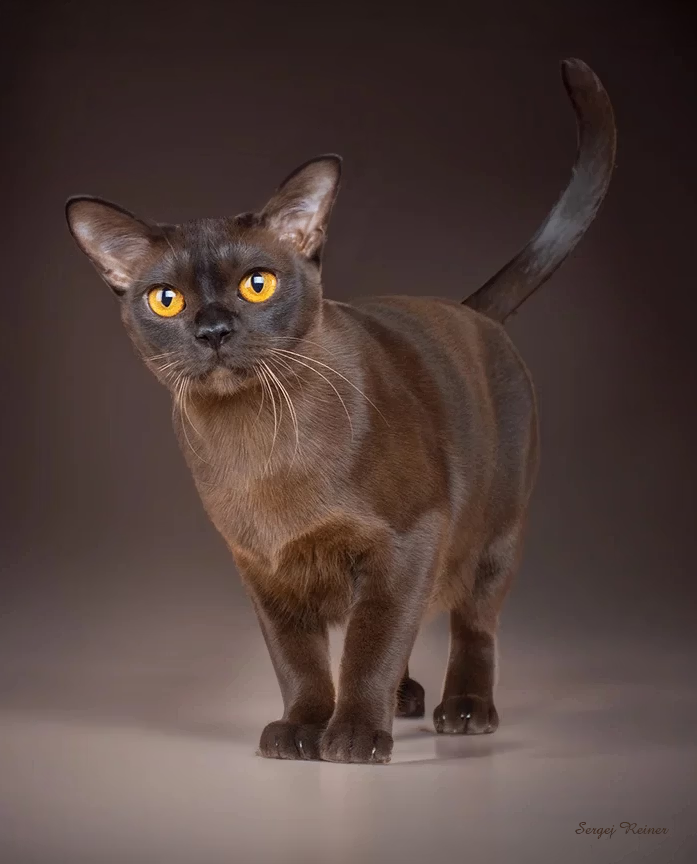
Brown is the classic and most iconic colour of the European Burmese, characterised by a rich warm brown shade, often referred to as “sable”, although in FIFe the colour is officially called “brown”. Thanks to the Burmese sepia gene, this colour is not supposed to be solid black, as in the Bombay cat. Instead, it shows a natural contrast: most saturated on the ears, muzzle, legs and tail, while the body remains noticeably lighter, especially around the neck, chest and belly. The short fine coat has a deep satin sheen with a golden glow that catches the light beautifully.
Kittens are born considerably lighter than they will be later. Their true colour develops gradually and can continue to deepen with age. In some lines, the sepia gene begins to work less effectively with age, and the colour darkens to the point where the fur looks almost black at first glance. At Royal Esprit, we consciously select lines in which the warm seal brown and the clear Burmese point contrast remain beautifully balanced throughout life. This is exactly the rich, glowing image that people fall in love with when they first see a good European Burmese.
It is also worth noting that brown Burmese cats generally have the most saturated yellow eye colour among all European Burmese colours. In kittens, the eye colour ranges from light grey to very dark, and by about 8 months it becomes a rich yellow. The darker the eye colour in brown kittens at the age of 3 to 4 months, the richer and more stable the golden shade will be afterwards, and the longer it will last into adulthood. In our cattery, we pay great attention to eye colour in our brown Burmese, bearing in mind that pale, unsaturated, greenish or bluish eyes together with an almost black coat can weaken the classic expression of the breed, although this has no effect on the cat’s wonderful character.
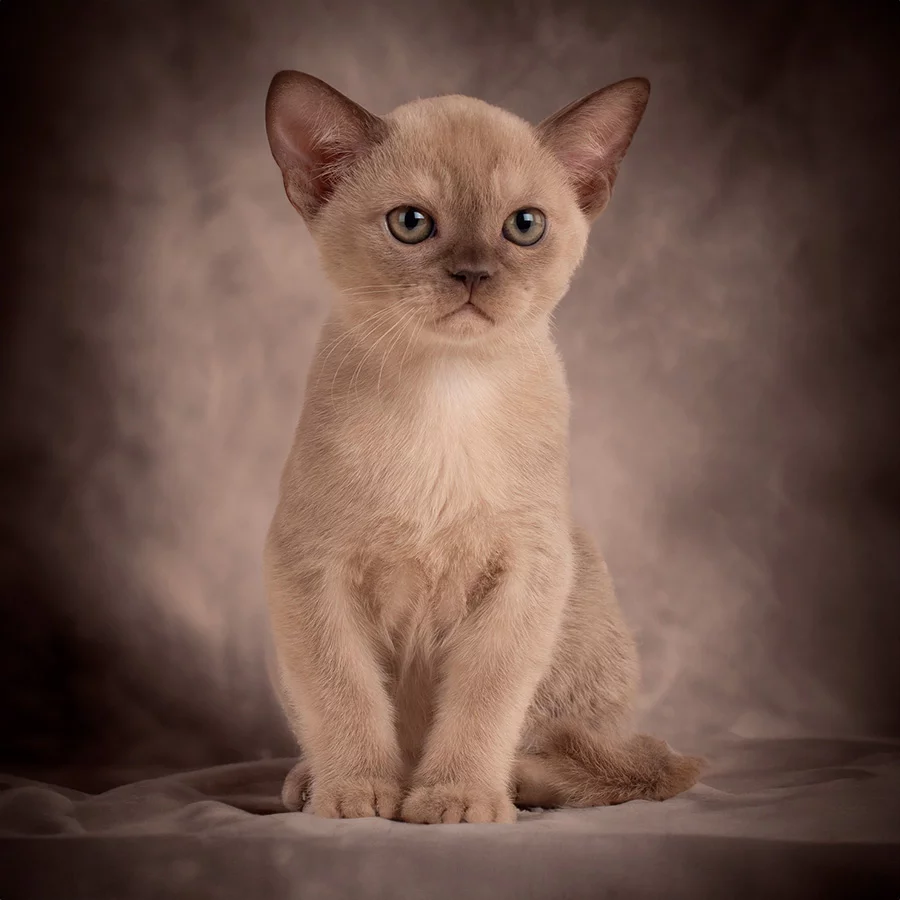
Chocolate Burmese (BUR b)
The warm latte shade with true contrast
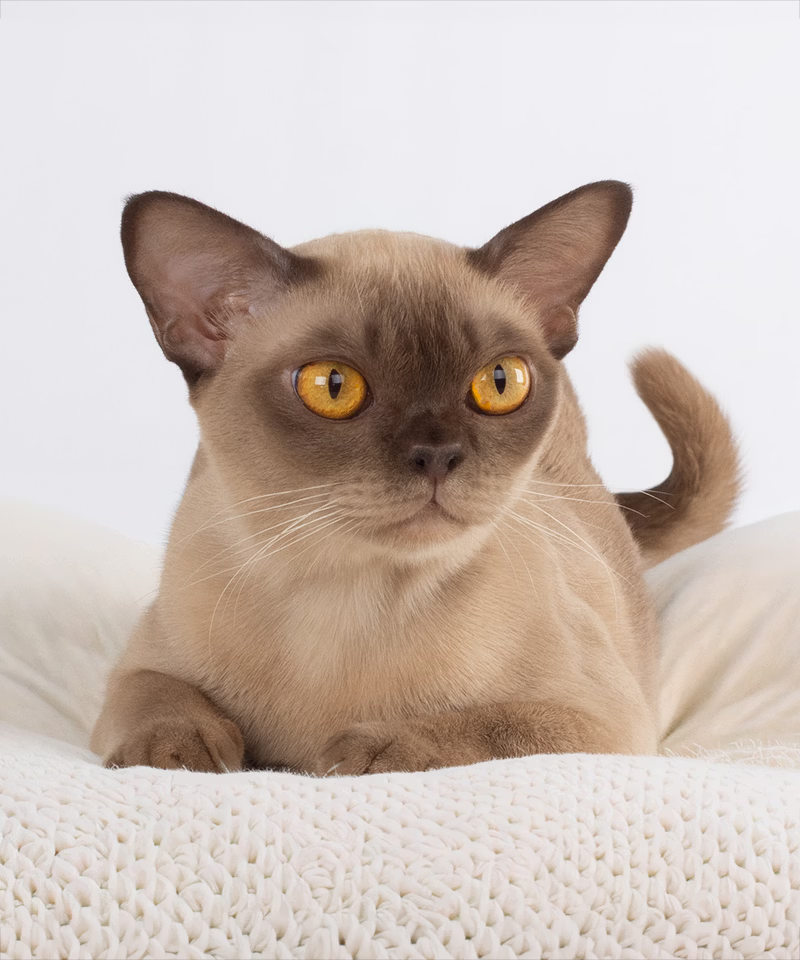
Chocolate is one of the most loved yet often misunderstood colours of the European Burmese. Many people expect a deep dark chocolate, but in reality, it is a soft warm beige to light brown tone, often described as milky latte or creamy caramel. Thanks to the Burmese sepia gene, it still shows a beautiful natural contrast. The points are noticeably darker on the ears, muzzle, legs and tail, while the body remains lighter, especially on the neck, chest and belly. The short fine coat has a deep satin sheen with a warm golden glow that catches the light beautifully.
Kittens are born very pale, and their true colour develops gradually. In some lines, the contrast can soften with age. At Royal Esprit, we focus on lines where the warm latte tone and the clear point pattern remain well defined throughout life. This strong contrast is particularly important in chocolate Burmese. The points should be clearly visible, as weak or missing points are considered a fault in the breed. The nose leather is a warm chocolate brown, and the paw pads range from cinnamon to deep cocoa, complementing the overall colour perfectly.
Eye colour is another area we pay special attention to. In chocolate Burmese, keeping a rich golden eye colour can be especially challenging, and the colour can fade to a lighter yellow by the age of 2 or 3. In our cattery, we select for the deepest possible golden hue that stays warm and does not shift toward greenish or bluish tones.
Blue Burmese (BUR a)
The elegant pewter blue
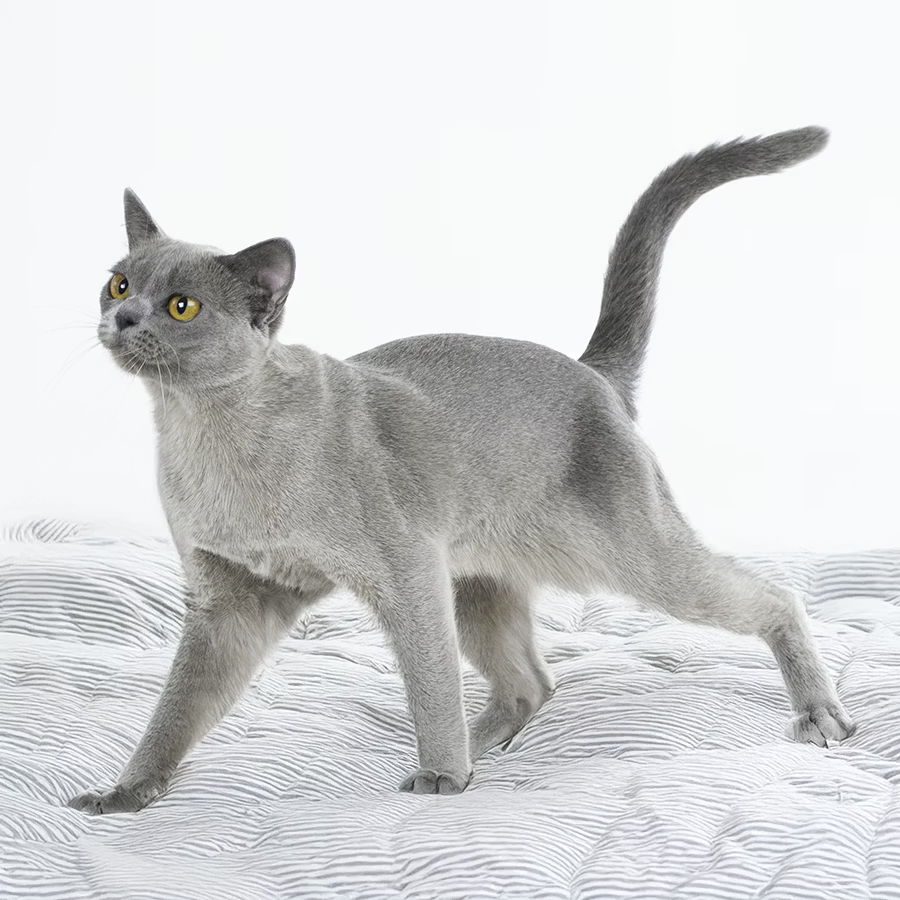
Blue is one of the most elegant and sought-after colours of the European Burmese. Its unique shade is a stunning blend reminiscent of polished steel, lighter than its British counterparts and without the bright tips characteristic of Russian Blues. A good European Burmese blue has a gentle bluish cast and never drifts into an overly cold shade or picks up a brownish tint. We prefer a clear bluish tone that retains its luminosity and harmonious elegance. The short fine coat has a deep satin sheen that shimmers in sunlight, revealing an exquisite spectrum of silvery shades and giving the cat a luminous quality under any lighting.
The points in blue Burmese are much softer and less pronounced than in the solid colours such as chocolate and brown. This lighter and often subtle point pattern is completely normal and correct for all dilute colours, including lilac and cream. The nose leather has a refined blue-grey tone and the paw pads show a subtle pinkish blue-grey shade that perfectly complements the overall colour.
At Royal Esprit we focus on preserving a beautiful bluish tone that does not become too dark and keeps its silvery sheen. Eye colour is another area to which we pay special attention. Blue Burmese cats can find it challenging to maintain a rich golden eye colour, and any shift towards green is considered undesirable. We make every effort to support the deepest possible golden hue that remains stable for as long as possible.
Lilac Burmese (BUR c)
The delicate blend of dove-grey and light apricot
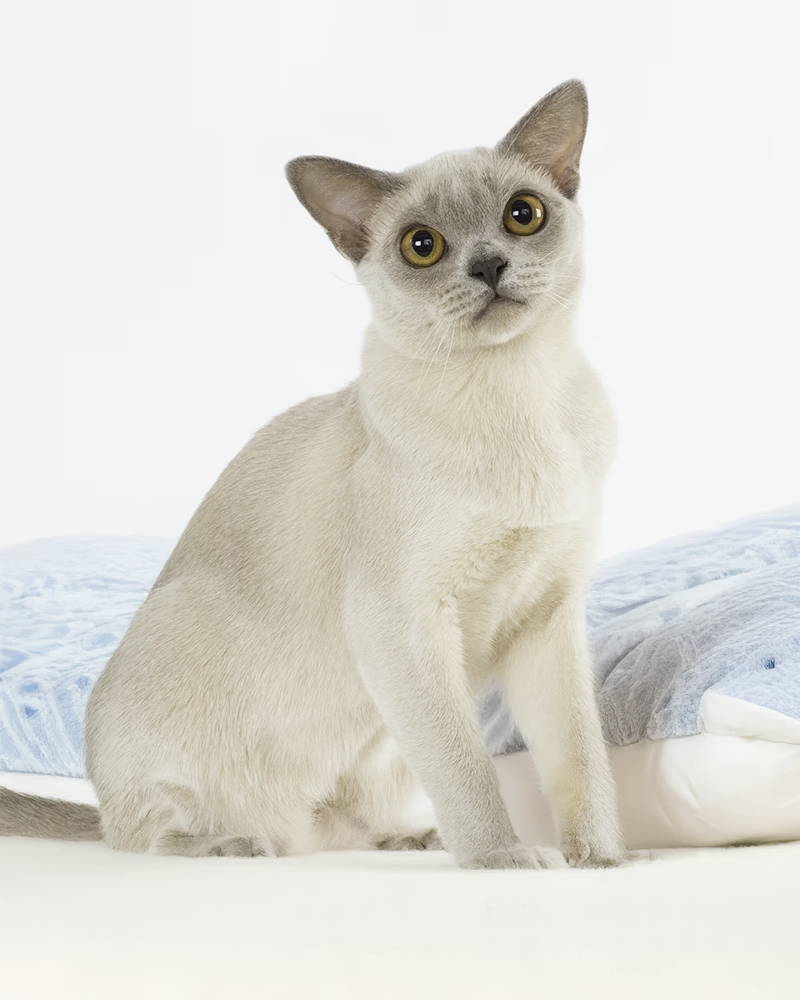
Lilac is one of the rarest and most delicate colours of the European Burmese. It is the dilute form of chocolate and appears as a refined blend of dove-grey and light apricot with a subtle pinkish cast that gives the coat an exceptionally soft and almost powdery appearance. Many people expect a brighter lavender or distinctly pink tone, but a true European Burmese lilac is a sophisticated cool grey with only the gentlest hint of pink. This is a quiet, ethereal beauty that reveals itself slowly.
The points in lilac Burmese are very soft and often barely visible. This minimal point pattern is completely normal and correct for all dilute colours, including blue and cream. The nose leather and paw pads are pink and/or lavender, harmonising beautifully with the coat's delicate, muted tones.
Breeding a high-quality lilac is particularly challenging. The best results usually come when at least one parent is lilac and the other is preferably also lilac or a light chocolate, although even then success is not guaranteed. At Royal Esprit we have lilac cats and are dedicated to this colour, working carefully on ideal lilac tone with its characteristic pinkish cast and the quality and texture of the coat. For us, a beautiful lilac Burmese is truly a work of art. These cats often possess a gentle and affectionate character that perfectly matches the delicate nature of their colour, and we strive to keep their rich golden eyes bright and stable.
Red Burmese (BUR d)
The vibrant tangerine
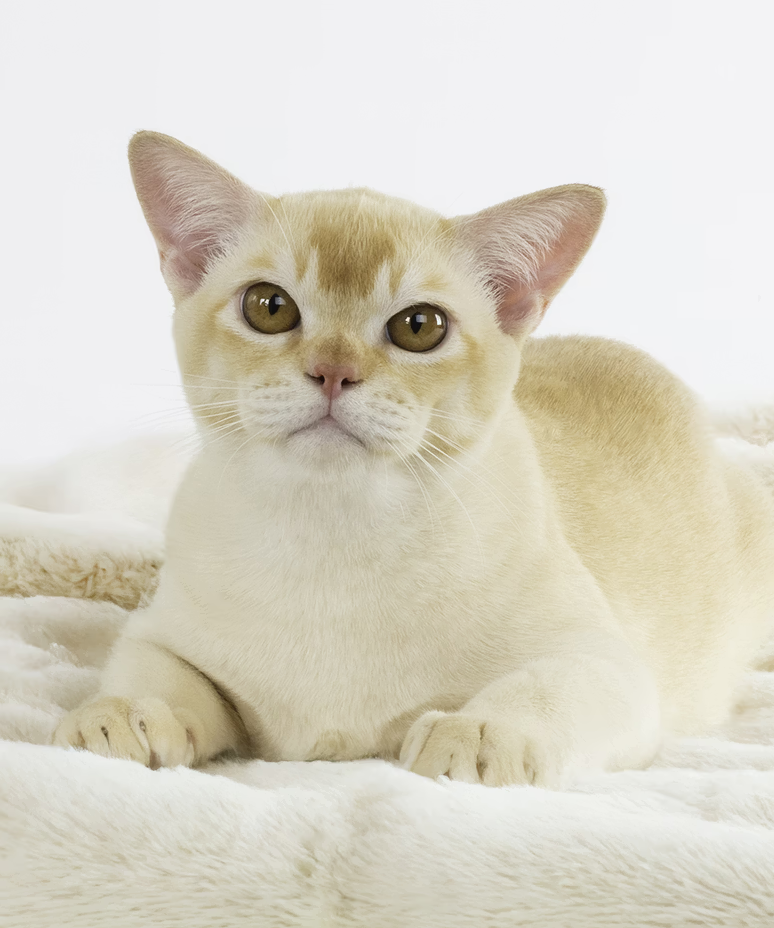
Red is one of the most vibrant and captivating colours of the European Burmese. It has a rich warm tangerine tone with a beautiful golden glow. When the colour is correct there is a clear and pleasing contrast: the body shows a rich warm tangerine tone while the points on the ears, muzzle, legs and tail are slightly darker and more saturated. The short fine coat has a deep satin sheen that catches the light beautifully.
Professional breeders can usually distinguish a true red from cream quite early. In our cattery the colour is already well established by around four months of age and remains stable without fading over time. Some red Burmese may show darker red tabby markings. These markings are not preferred on the chest and on the front and hind legs while markings on the body itself are highly undesirable. The fewer such markings the better. At Royal Esprit we work hard to eliminate them completely.
The nose leather and paw pads are pink. Red Burmese are known for having some of the brightest golden-orange or deep yellow-orange eyes in the breed. These cats are among the most active, playful and sunny in character. Many people believe that a red Burmese brings joy and good fortune into the home. At Royal Esprit we are dedicated to breeding red Burmese that combine vibrant stable colour, beautiful contrast, minimal markings and rich golden eyes.
Cream Burmese (BUR e)
The delicate cream
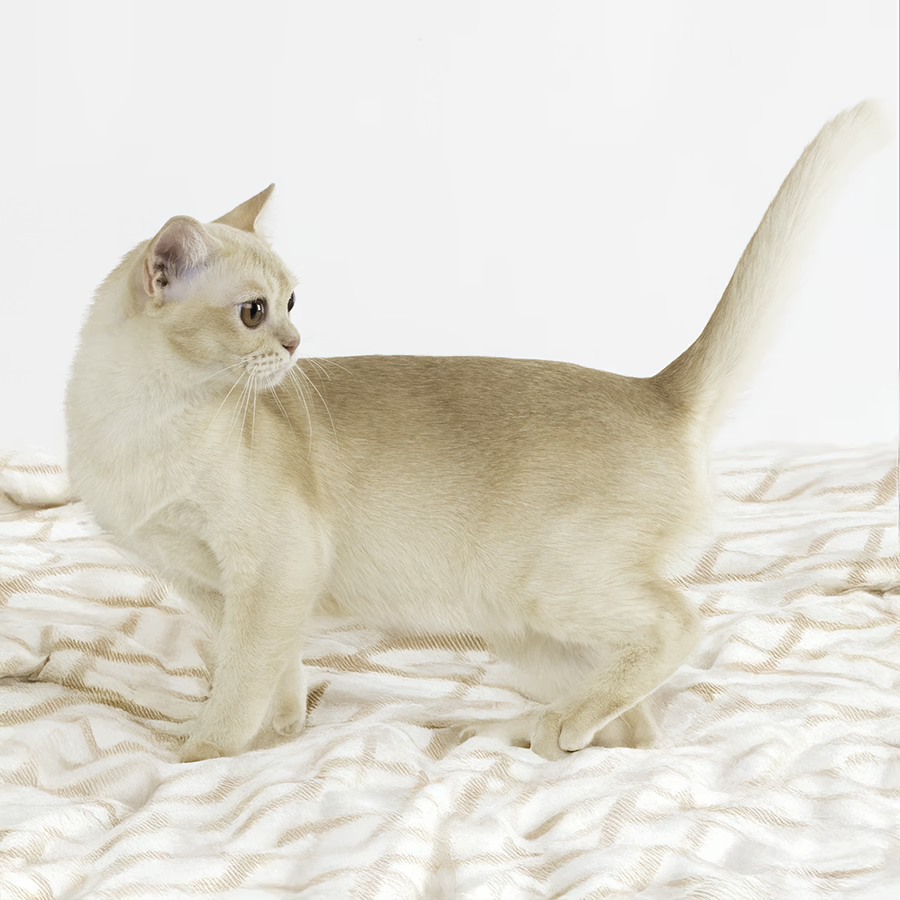
Cream is one of the most delicate and difficult colours to perfect in the European Burmese. It is the dilute form of red and appears as a soft warm apricot or pale peach with a gentle powdery finish. Many people expect a brighter or more saturated tone, but a true high-quality cream has a refined and subtle beauty with a beautiful warm luminosity.
The points in cream Burmese are extremely subtle and may be almost invisible. This is completely normal and correct for all dilute colours. The nose leather and paw pads are a soft pale pink. Professional breeders can usually distinguish a true cream from red quite early. In our cattery the colour is already well established by around four months of age and remains stable without fading over time. To produce a beautiful cream the best results usually come when the mother is cream and the father is a clear dilute such as cream, lilac or blue. At Royal Esprit we actively work on this colour to eliminate tabby markings completely and have achieved good results. We also pay great attention to eye colour, which is especially challenging in dilute colours, striving to keep it deep and bright.
Cream Burmese are known for being particularly affectionate and sunny in character. Like their red relatives, many people believe that a cream Burmese brings joy and prosperity into the home.
Important note: The four tortoiseshell colours of the European Burmese (seal tortie, blue tortie, chocolate tortie and lilac tortie) occur only in females, as the tortoiseshell pattern is linked to the female sex chromosome.
Seal Tortie Burmese (BUR f)
The elegant brown tortie
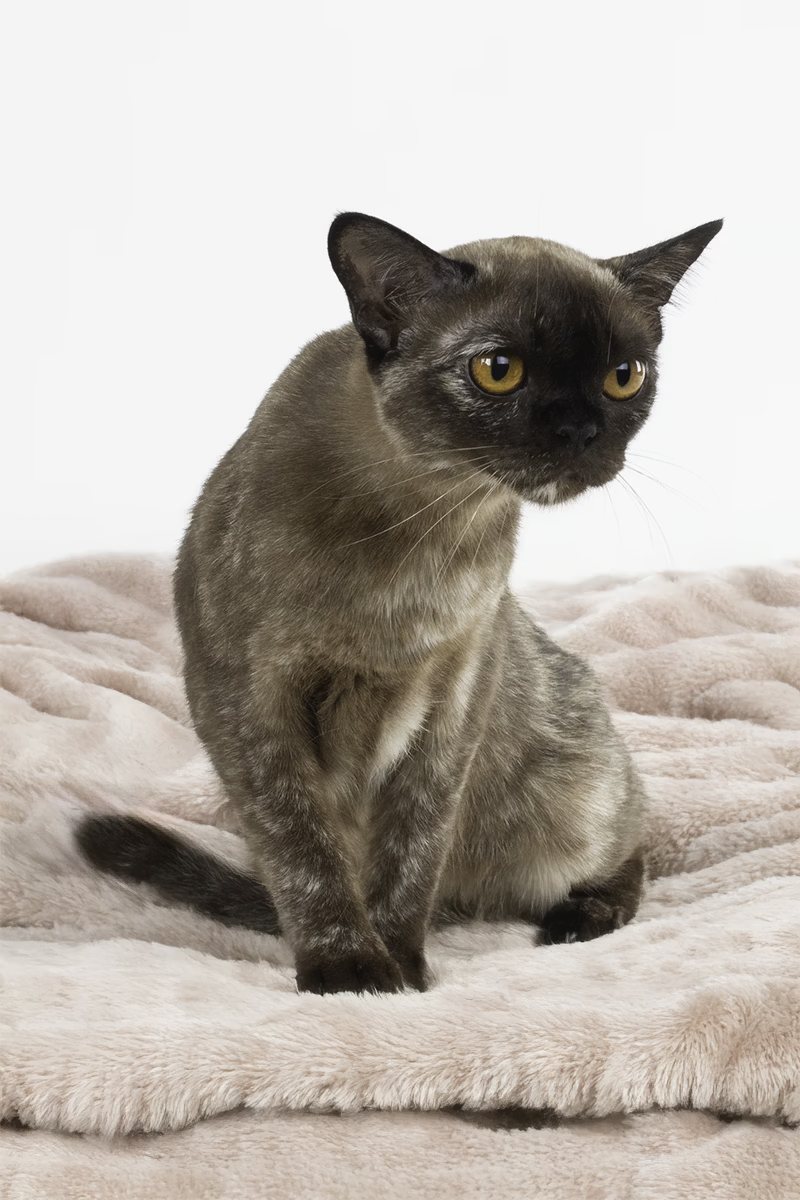
Seal Tortie, also known as Brown Tortie, is one of the most striking and captivating colours of the European Burmese. It features a beautiful patchwork of rich seal brown and shades of tangerine that creates a unique and lively appearance. The pattern is usually visible by around four months of age and remains stable, although the red component often becomes more pronounced and reaches its final expression between 18 and 24 months.
The points in seal tortie Burmese follow the typical Burmese contrast, with the seal brown areas being deeper and the tangerine patches adding warmth and brightness. The nose leather and paw pads are seal brown, pink, or a combination of both. Tabby markings are highly undesirable in this colour and we have worked hard to eliminate them completely in our lines.
Eye colour in seal tortie cats is usually rich and saturated. We pay special attention to maintaining deep golden tones, as any shift towards green is considered undesirable. At Royal Esprit we are dedicated to breeding seal tortie Burmese with clear, balanced patterning, stable colour and vibrant eyes. These cats are known for their distinctive and affectionate character that many owners describe as particularly sunny and engaging.
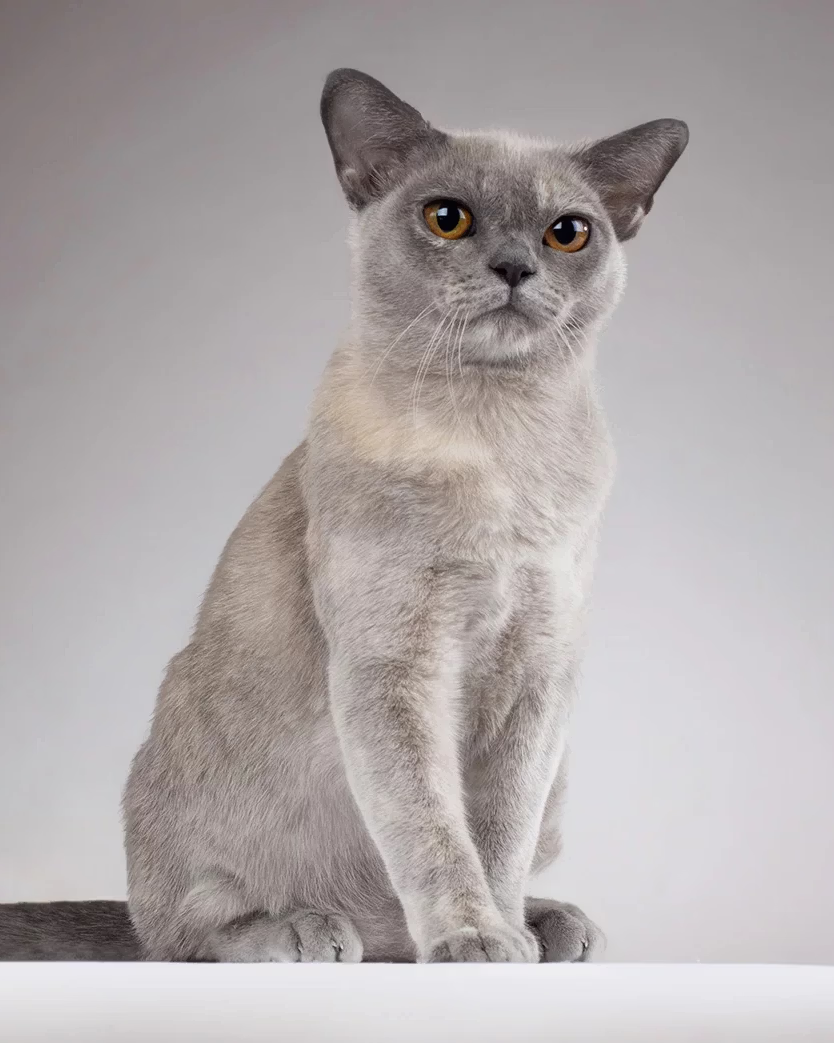
Blue Tortie Burmese (BUR g)
The delicate blue tortie
Blue Tortie is one of the most elegant and captivating colours of the European Burmese. It artfully marries soft blue-grey with hints of light apricot, creating a gentle and harmonious interplay. Their coat may paint a picture of a serene sky interspersed with the first rays of dawn, where muted blue washes are occasionally interrupted by delicate patches of warm cream. This ethereal blend gives the Blue Tortie a refined and exclusive beauty.
The pattern is usually visible by around four months of age and continues to soften and develop until 18 to 24 months. The nose leather and paw pads offer another layer of intrigue: a gentle dance between shades of pink and grey-blue. At Royal Esprit we work carefully on this colour to achieve a clear bluish tone with warm cream accents while keeping the eye colour rich and stable golden. Any shift towards green is considered undesirable.
Historically, tortoiseshell cats have been associated with myths and legends. Some cultures believed they bring good luck, and the Blue Tortie, with its ethereal blend of colors, certainly seems like a cat that stepped out of a fairy tale. These cats are known for their particularly affectionate and gentle character and often become a living work of art in the home.
Chocolate Tortie Burmese (BUR h)
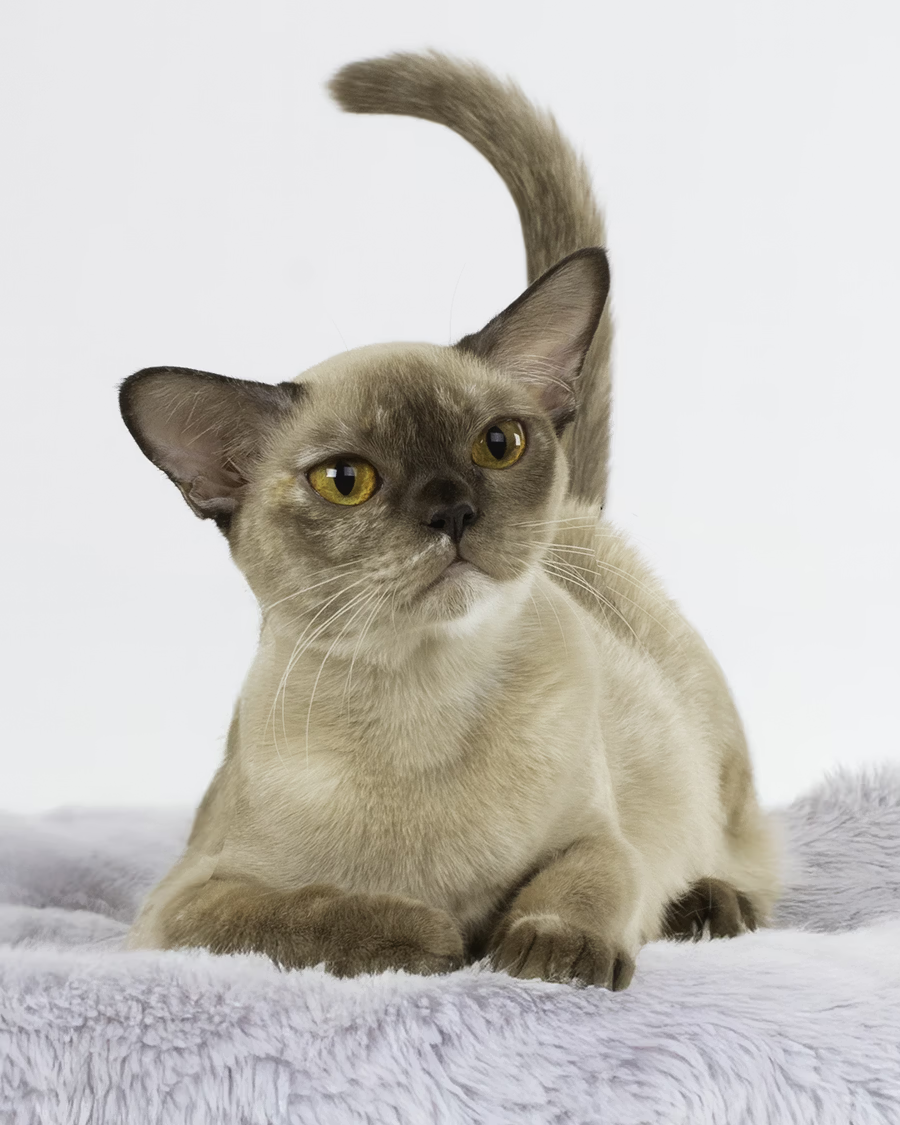
The warm chocolate tortie
Chocolate Tortie is one of the most captivating and warm colours in the European Burmese palette. With a beautiful blend of rich milk coffee and soft tangerine shades, these cats create a rich tapestry of warm colors that truly stands out. Every Chocolate Tortie is unique, and their patterns feel like nature’s own masterpiece.
The nose leather and paw pads are chocolate brown, pink, or a delightful combination of both. At Royal Esprit we work carefully on this colour to achieve a deep, saturated chocolate tone with well-balanced cream patches and to keep the eye colour rich and stable golden.
What truly sets Chocolate Tortie apart is their inviting and lively personality. They bring a special warmth and hint of fun into the home, and many owners feel that a chocolate tortie carries an extra touch of joy and good fortune. Their playful patterns combined with their affectionate character make them a favorite choice for those who want both beauty and personality in one cat.
The Chocolate Tortie color has become a timeless classic in the Burmese cat world. Every glance at them is like looking at a beautiful painting, with colors and patterns that are simply unmatched. If you’re considering a Burmese cat, the Chocolate Tortie should definitely be on your radar. They promise an experience filled with warmth, elegance, and certainly a bit of joy.
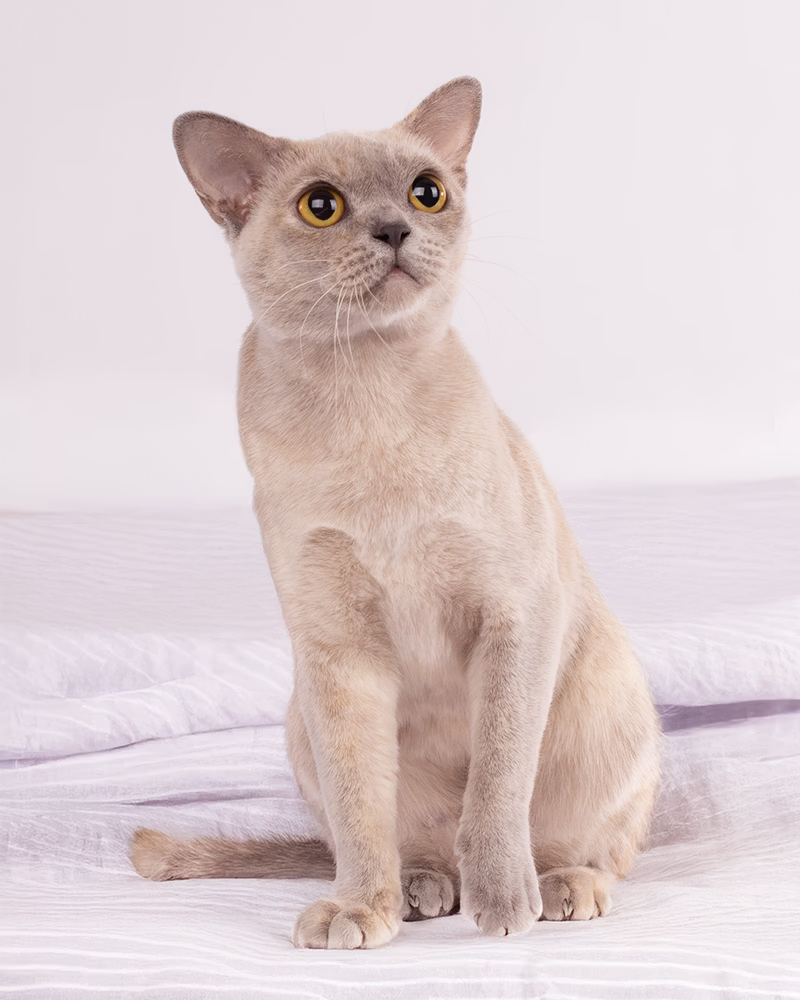
Lilac Tortie Burmese (BUR j)
The rare lilac tortie
Lilac Tortie is one of the rarest and most alluring colours of the European Burmese. The Lilac Tortie coat is a canvas of delicate artistry, featuring an enchanting blend of dove-grey and light apricot shades, both deep and subtle. The mingling of these colors creates a captivating tortoiseshell pattern that is soft, refined and almost ethereal in its beauty.
The nose leather and paw pads are pink and/or lavender, adding another layer of gentle elegance. At Royal Esprit we work carefully on this challenging colour to achieve a beautiful dove-grey and light apricot harmony with good balance while keeping the eye colour rich and stable golden.
Lilac Tortie Burmese cats are known for their particularly gentle and affectionate character. They form deep connections with their families and bring a special sense of calm and warmth into the home. Their distinctive coat, combined with their endearing personality, makes them truly special companions.
The Lilac Tortie variation is valued like a museum piece among Burmese breeders and enthusiasts. Its allure lies not only in its mesmerizing coat but also in its harmonious blend of beauty and heart.
© 2026 Sergej Reiner. All rights reserved. No part of this content may be reproduced, distributed, or reused in any form without the author's prior written permission.
Why Burmese coat colours can change
Burmese coat colour can change due to several factors including age, temperature and diet.
Colour deepens with age
Burmese kittens are usually much paler than they will be later. Their true colour becomes richer and deeper with age, often continuing to change well into adulthood.
Cooler temperatures can darken the coat
Darkening is often most noticeable on the points, especially the ears, muzzle, legs and tail.
Diet can influence coat colour
A diet rich in fish tends to deepen the coat colour. This effect is especially noticeable in chocolate and lilac Burmese, while blue cats may take on a slightly muddier tone.
Burmese Colour Genetics
Burmese Color Calculator
Want to understand how Burmese colours may combine in future litters? Our Burmese Color Calculator helps breeders and cat lovers explore possible colour outcomes based on the genetic makeup of the parents.
Breed Codes
EMS Codes for European Burmese Colours
The official colour codes used in pedigree cat registries
EMS codes are the standard international codes used in pedigree cat registries to identify coat colour and other breed characteristics. Below is the EMS table for the recognised colours of the European Burmese.
| Colour | EMS Code |
|---|---|
| Brown | BUR n |
| Blue | BUR a |
| Chocolate | BUR b |
| Lilac | BUR c |
| Red | BUR d |
| Cream | BUR e |
| Seal (Brown) Tortie | BUR f |
| Blue Tortie | BUR g |
| Chocolate Tortie | BUR h |
| Lilac Tortie | BUR j |
Found Your Favourite Colour?
See how these colours appear in our Burmese kittens
If one of these Burmese colours has especially caught your eye, you can continue by exploring our kittens and current litters.
View Kittens